Shipping from China to USA
What Kind of Transport Mode?
When shipping from China to the USA, there are several transport modes available, and each has its own characteristics. Here, we will focus on air freight, as well as briefly introduce other common modes for comparison.
Sea Freight from China to USA
Sea freight is a common choice for large-volume cargo. It has two main ways: FCL and LCL.
- FCL (Full Container Load): FCL means only your cargo be loaded in a container.
- LCL (Less than Container Load): LCL is a shipping option when you are not import too much cargo and then your cargo will be shipped via a container with other importers. It is suitable for cargo with a volume of less than 16 CBM. Since you don’t need to pay for the entire container, it is a more cost-effective choice for small-volume cargo. However, it should be noted that in LCL shipping, the process of container consolidation and de-consolidation takes extra time, which may lead to longer delivery times compared to FCL.
Sea freight is the slowest among all transport modes, but it is also the most cost-effective for large-volume and heavy cargo.
Air Freight from China to USA
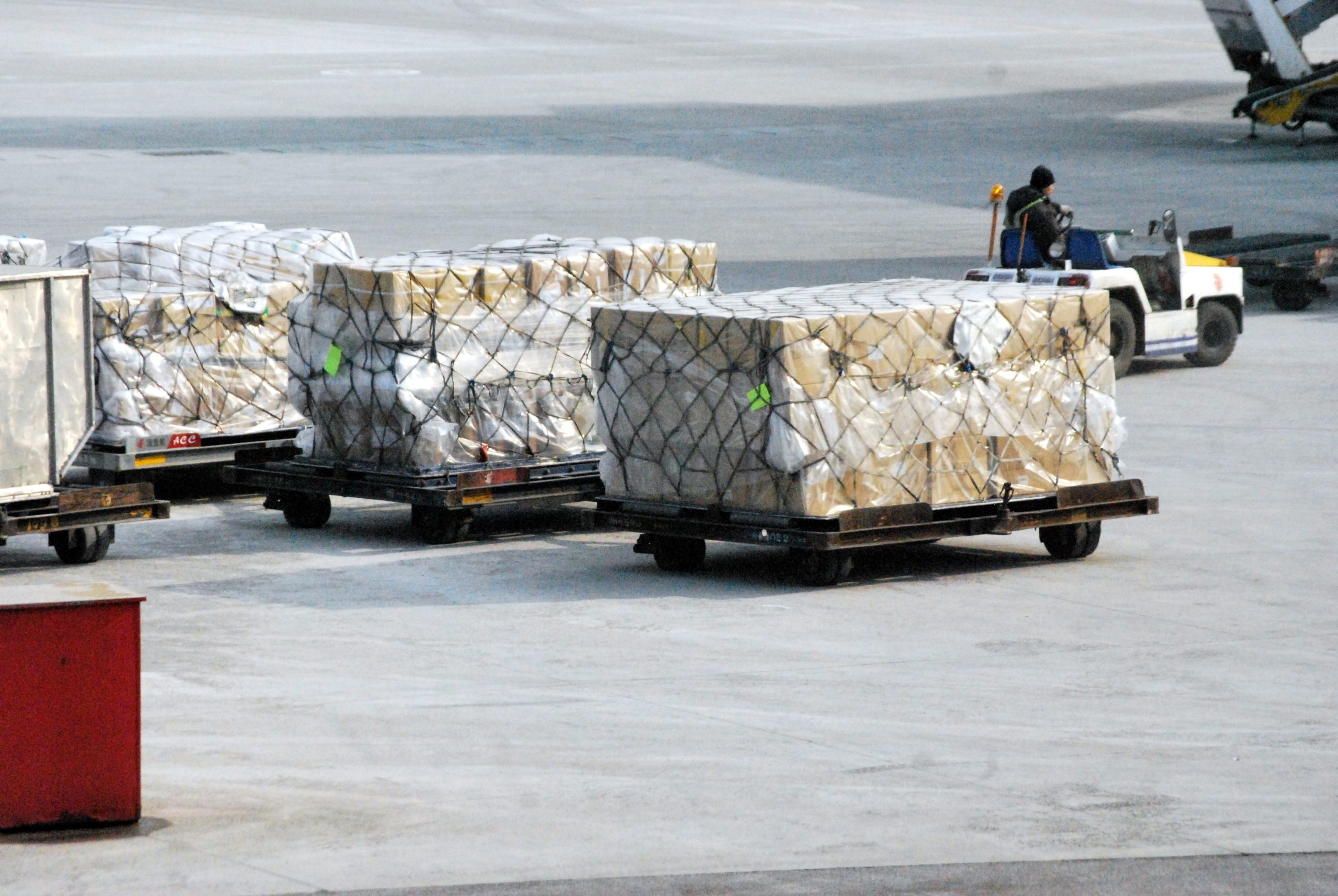
Air freight is a popular choice for goods when you need faster way. It’s faster, safe, and reliable. And we usually recommend you ship the lightweight shipment less than 300kg by air freight.
- Major Airports in the USA: The main airports in the USA that receive air freight from China include Los Angeles International Airport (LAX), Chicago O’Hare International Airport (ORD), New York John F. Kennedy International Airport (JFK), and San Francisco International Airport (SFO).
- What Can and Can’t Be Shipped by Air Freight:
- Can Be Shipped: Frozen food, medical supplies, high-end precision instruments, and urgently needed goods are all suitable for air freight. These goods often require fast delivery to maintain their quality or meet urgent needs.
- Can’t Be Shipped: These Some ultra-high power battery cargo, some chemical products, and flammable items are restricted from being shipped by air, those shipments may cause fire or explosion.
- Choose Air Freight when
- Your cargo weight is between 45 kg and 500 kg.
- You need your shipment in 5days
- High-precision technology products or products that require temperature control, such as semiconductors, chips, or fruits, etc.
Express Shipping
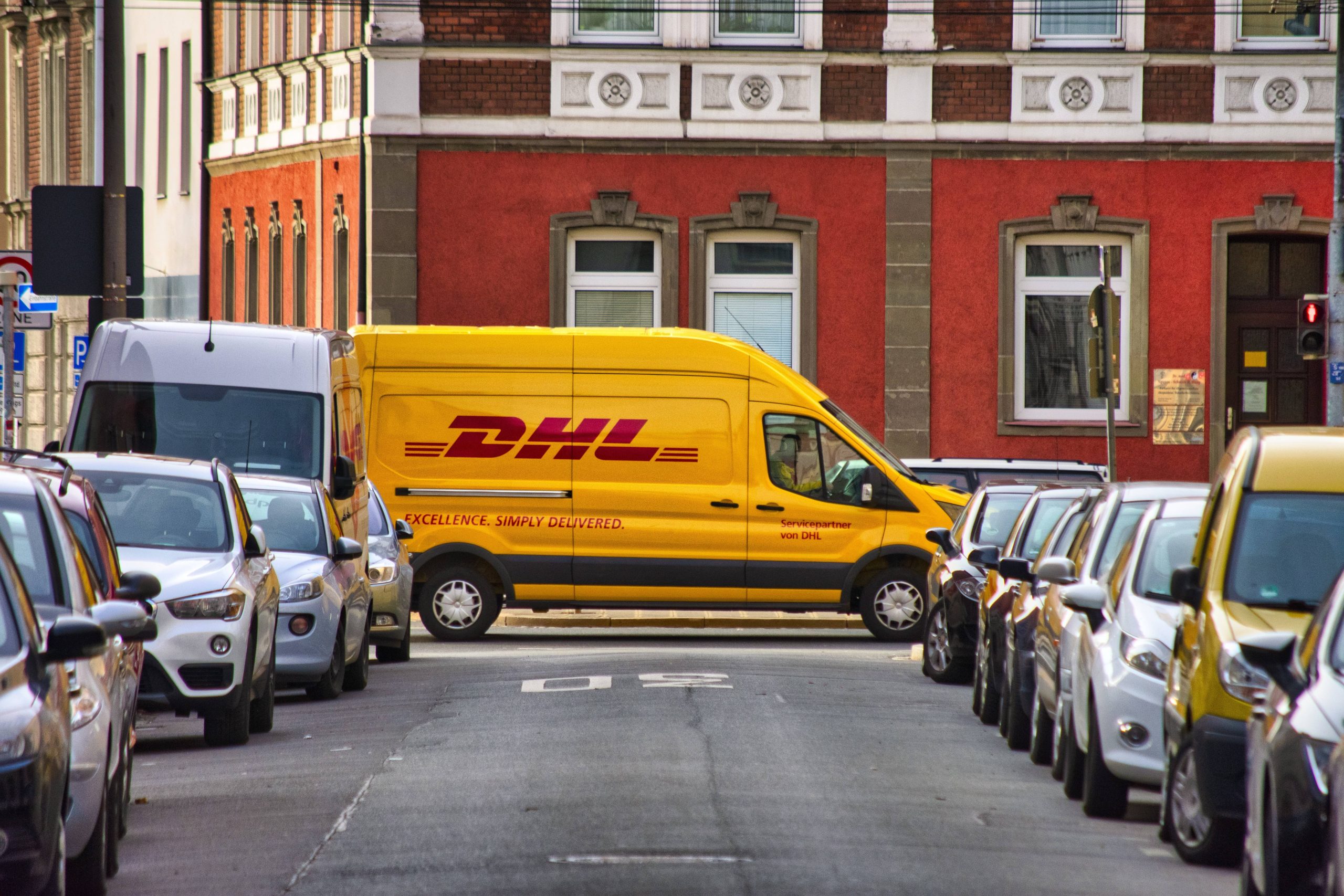
Express shipping is the fastest option for small-volume cargo. The main express carriers from China to the USA are DHL, FedEx, and UPS.
- DHL: DHL is the fastest express courier. It usually takes 1-5 days for goods to be delivered from China to the USA. DHL also has strong customs clearance capabilities, which is better than UPS and FedEx. However, its shipping cost is relatively higher, making it suitable for shipping samples and most urgent goods.
- FedEx: FedEx is also a good express option. The shipping time is about 3-5 working days. For cargo with a weight of more than 21 kg, FedEx’s shipping cost is more economical than DHL. You can consult your freight forwarder to get discounted agent prices, which are usually lower than shipping directly with FedEx.
- UPS: UPS offers two main services: UPS Worldwide Saver and UPS Worldwide Expedited. UPS Worldwide Saver has a delivery time of about 3-5 business days, and its shipping time and stability are better than UPS Worldwide Expedited. However, the shipping cost of UPS Worldwide Saver is slightly higher than that of UPS Worldwide Expedited. You can choose the appropriate service according to your specific needs.
What is the Best Shipping Way from China to the USA?
There is a common misconception that sea freight is always the best because it is the cheapest, or that express shipping is the best because it is the fastest. But this is not entirely correct. The best shipping way depends on various factors, mainly including the type of goods, the weight and size of the goods, and your delivery time requirements and budget.
Consider the Type of Goods
- If you are shipping perishable goods like frozen food or medical supplies that have a short shelf life, air freight is the best choice. It can ensure that the goods reach the destination quickly, maintaining their quality.
- For dangerous goods that are not allowed to be shipped by air, sea freight may be the only option (but you need to comply with the relevant regulations for shipping dangerous goods by sea).
- For general goods like clothing, toys, and household items, you can choose between sea freight, air freight, or express shipping based on other factors.
Consider the Weight and Size of the Goods
- If your cargo weight is less than 45 kg and you need it urgently, express shipping is the way to go.
- For cargo with a weight between 45 kg and 500 kg, air freight is usually the most suitable option. It balances speed and cost.
- If your cargo weight is more than 500 kg or the volume is more than 2 CBM, sea freight is more cost-effective, especially if you don’t have an urgent need for the goods. Also, for large-sized goods like furniture or machinery that are too big to fit in an airplane’s cargo hold, sea freight is the only practical choice.
Consider Your Delivery Time and Budget
- If you have a tight deadline and don’t mind paying a higher cost, express shipping or air freight is the best. Express shipping is faster but more expensive, while air freight is a bit slower than express but cheaper than express for larger weights.
- If you have a flexible delivery time and want to save on shipping costs, sea freight is the ideal option.
Shipping from China to USA Amazon FBA
With the rapid development of e-commerce, more and more sellers are using platforms like Amazon, Alibaba, Lazada, and Shopee to sell their products to customers in the USA. For these sellers, shipping goods from China to USA Amazon FBA warehouses is a crucial part of their business. Amazon FBA (Fulfillment by Amazon) allows sellers to store their products in Amazon’s warehouses, and Amazon handles the packaging, shipping, and customer service for the orders.
Who is Amazon FBA Shipping Suitable for?
Amazon FBA shipping is mainly suitable for overseas sellers who sell products on Amazon to C-end customers in the USA, as well as companies that do not have import qualifications in the USA. By using Amazon FBA, these sellers and companies can avoid the hassle of setting up their own warehouses and handling logistics in the USA.
What is the Process for Shipping from China to US Amazon FBA?
- Inquire and Confirm the Shipping Time: First, you need to contact a freight forwarder (like us) to inquire about the shipping cost, transit time, and other details. Based on your needs, you can confirm the shipping time and book the service.
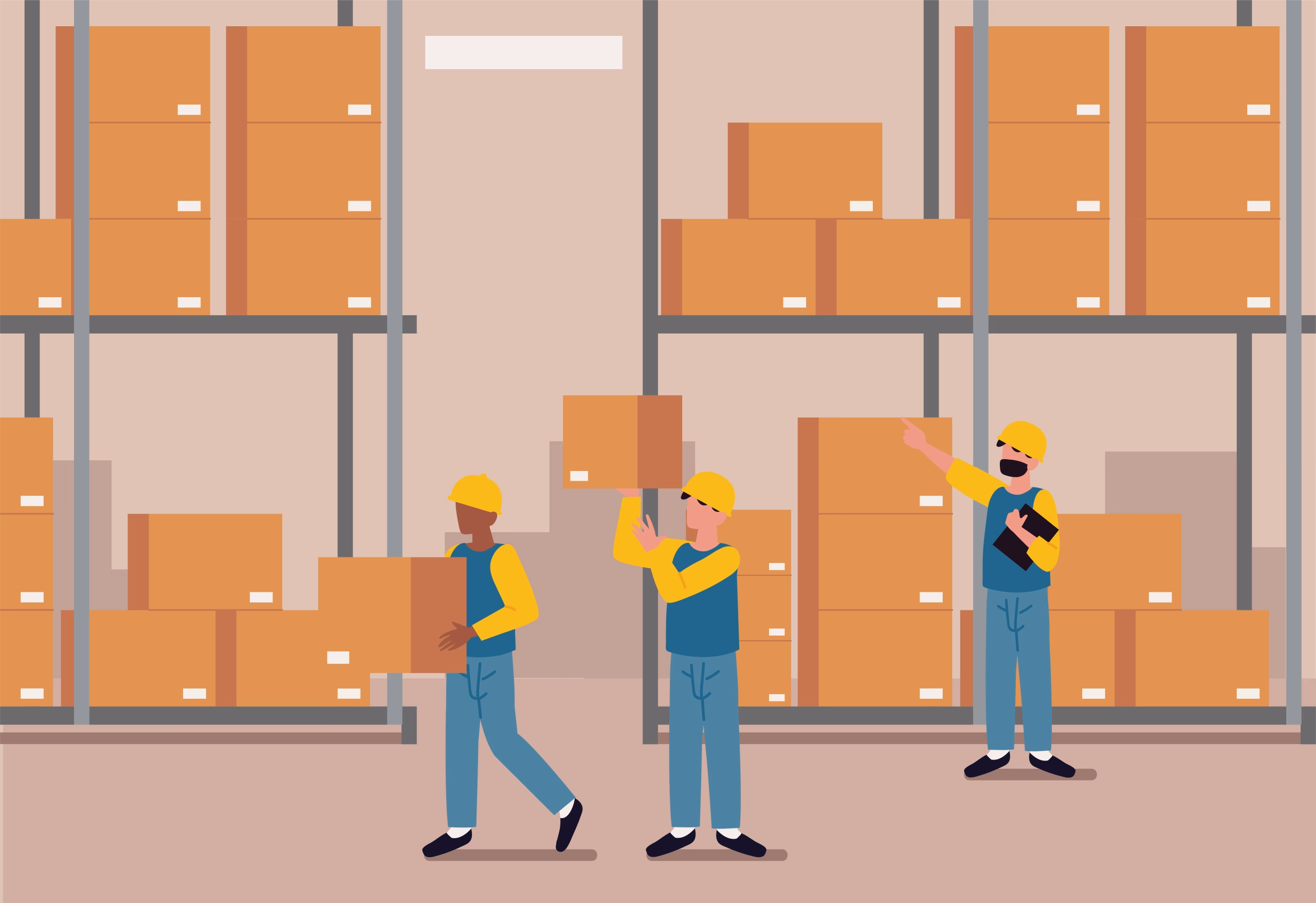
- Pick Up the Goods and Load Them into the Warehouse: The freight forwarder will arrange to pick up the goods from your factory in China and transport them to the designated warehouse. At the warehouse, the goods will be inspected, sorted, and prepared for shipping.
- Customs Declaration and Clearance: The freight forwarder will prepare the necessary export customs documents, including the commercial invoice, packing list, and export declaration form. Then, they will submit these documents to the Chinese customs for declaration. Once the customs approve, the goods can be shipped out of China.
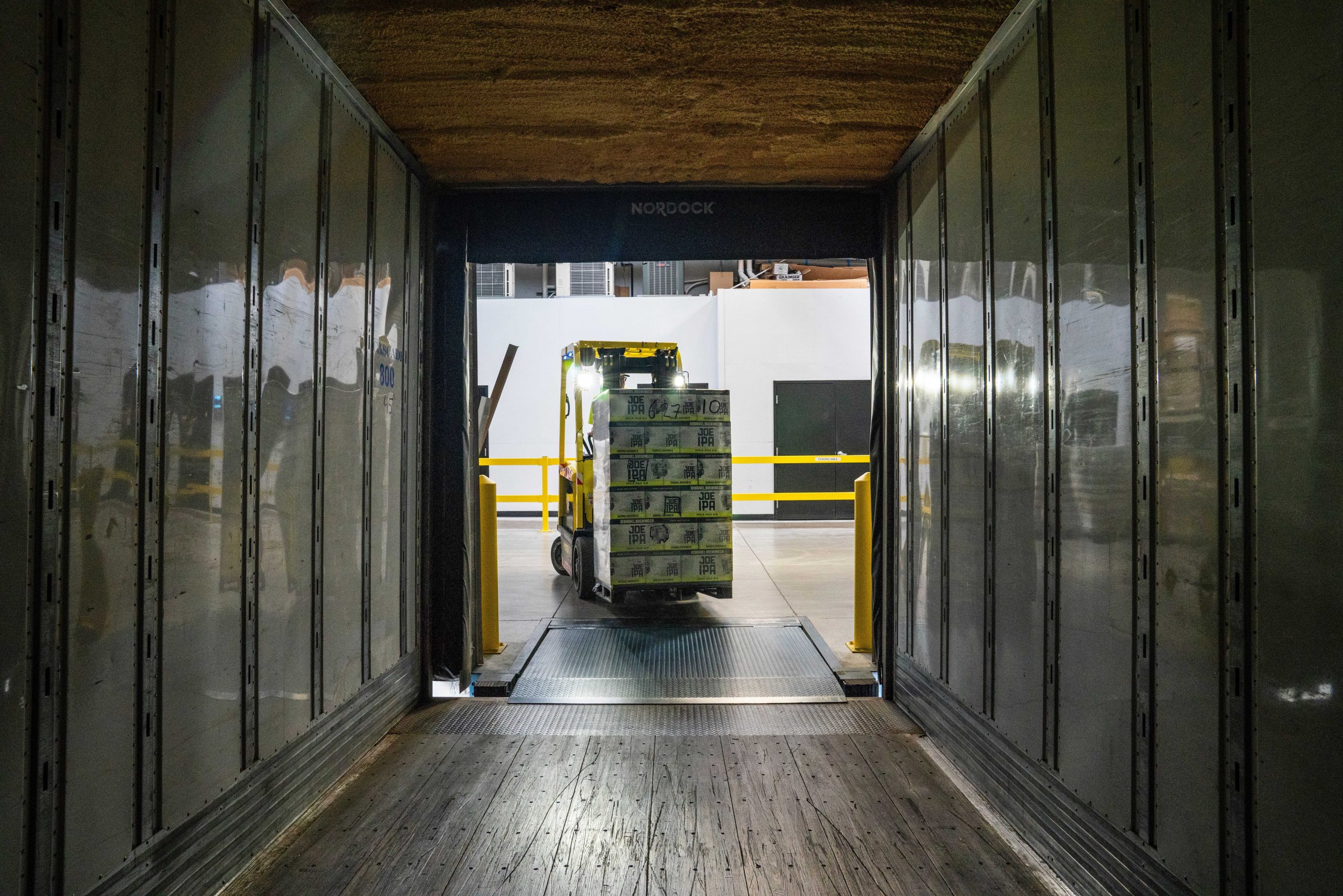
- Ship the Goods by Air: The goods are loaded onto the airplane and shipped to the designated airport in the USA.
- Arrive at the Destination Airport: When the goods arrive at the USA airport, the freight forwarder’s local agent will receive the goods and prepare for import customs clearance.
- Import Customs Clearance and Pay Customs Duties: The local agent will submit the required documents (such as the commercial invoice, packing list, bill of lading, and customs declaration form) to the US customs. If there are customs duties to be paid, the agent will pay them on your behalf (you will need to reimburse the agent later). After the customs clear the goods, they can be picked up from the airport.
- Pick Up the Goods and Sort Them: The local agent will arrange for a truck to pick up the goods from the airport and transport them to a local warehouse. At the warehouse, the goods will be sorted according to the Amazon FBA warehouse addresses and customer orders.
- Make an Appointment and Deliver the Goods: The local agent will make an appointment with the Amazon FBA warehouse for the delivery time. Then, they will arrange for the truck to deliver the goods to the Amazon FBA warehouse on the scheduled date. Amazon will sign for the goods, and you can check the details of the goods’ storage on the Amazon seller platform.
It is important to note that some freight forwarders may use irregular or non-compliant methods to handle Amazon FBA shipping, such as using someone else’s import qualifications for customs clearance. This can bring risks to you, such as the goods being detained by customs or your Amazon account being affected. Therefore, before importing goods, you must confirm whether you have import qualifications in the USA. If you don’t, you should choose a freight forwarder that can provide legal and compliant import services. You should also clearly inform the freight forwarder whether you accept using someone else’s import qualifications for customs clearance (it is recommended to use your own import qualifications if possible to avoid risks).
How much is the Shipping Cost from China to USA?
The shipping cost from China to the USA varies depending on several factors. Understanding these factors can help you estimate the shipping cost and choose the most cost-effective shipping method.
Factors Affecting the Shipping Cost
- Weight, Size, and Volume of the Goods: The weight and size of the goods directly affect the shipping cost. For air freight and express shipping, the cost is usually calculated based on the chargeable weight. The chargeable weight is the greater of the actual weight and the volumetric weight. The volumetric weight is calculated by multiplying the length, width, and height of the package (in centimeters) and then dividing by a certain factor (usually 6000 for air freight and express shipping). For sea freight, the cost is usually calculated based on the volume (in CBM) for LCL, and based on the container size (like 20’GP or 40’GP) for FCL.
- Type of Goods: Different types of goods have different shipping costs.
- General Goods: These are goods that do not have any special requirements, such as clothing, toys, and books. The shipping cost for general goods is relatively low.
- Dangerous Goods: Goods like batteries, chemical products, and flammable items require special handling and packaging, so the shipping cost is higher. Some dangerous goods may even be restricted from being shipped by certain transport modes.
- Perishable Goods: Frozen food, fresh fruits, and vegetables require refrigerated transportation, which increases the shipping cost.
- Place of Origin and Destination: The distance between the place of origin in China and the destination in the USA affects the shipping cost. Generally, shipping to the West Coast of the USA (like Los Angeles) is cheaper than shipping to the East Coast (like New York) because the distance is shorter. Shipping to inland cities in the USA may also cost more than shipping to coastal cities due to the additional inland transportation.
- Transport Mode: The choice of transport mode has a significant impact on the shipping cost. Express shipping is the most expensive, followed by air freight, and sea freight is the cheapest.
What is the Cheapest Shipping from China to USA?
The cheapest shipping method depends on the weight and volume of your cargo. Here is a general guideline to help you choose the cheapest shipping option:
- Cargo Weight Below 100 kg: If your cargo weight is less than 100 kg, express shipping is usually the cheapest option. The estimated cost is around 8-12 USD per kg door-to-door from China to the USA. Although express shipping is more expensive than air freight for larger weights, for small weights, it is more cost-effective because air freight often has a minimum charge, which may be higher than the express shipping cost for small cargo.
- Cargo Weight Between 100 kg and 300 kg: For cargo with a total chargeable weight between 100 kg and 300 kg, standard air freight is the most economical choice. The cost is usually around 6-8 USD per kg. Air freight has lower rates for larger weights compared to express shipping, making it cheaper in this weight range.
- Cargo Weight Above 300 kg or Volume Above 2 CBM: If your cargo weight is more than 300 kg or the volume is more than 2 CBM, sea freight is the most cost-effective option. The estimated cost for LCL sea freight is around 50-80 USD per CBM. Sea freight is much cheaper than air freight and express shipping for large-volume or heavy cargo, even though it takes longer.
It’s important to remember that to get the most cost-efficient shipping solution, working with a reliable freight forwarder (like our company) is a smart choice. We are familiar with all the shipping options, regulations, and routes from China to the USA, and we can negotiate better discounts with carriers, helping you save on shipping costs.
How Long is the Shipping Time for China to USA?
The shipping time from China to the USA is not fixed and is affected by several factors. Understanding these factors can help you plan your shipment better and avoid unexpected delays.
Factors Affecting Shipping Time
- Shipping Options: The mode of shipping you choose is the most important factor affecting shipping time. Express shipping is the fastest, followed by air freight, and sea freight is the slowest. Also, within each mode, there are different services that affect time—for example, direct air flights are faster than indirect ones, and FCL sea freight is faster than LCL.
- Shipping Distances and Routes: The distance between the origin port/airport in China and the destination port/airport in the USA directly impacts shipping time. For example, shipping from Shenzhen to Los Angeles (West Coast USA) takes less time than shipping from Shenzhen to New York (East Coast USA). Choosing the right route can also shorten time—like using a direct sea route instead of one that goes through the Panama Canal for certain destinations.
- Shipping Seasons: Shipping during peak seasons (like before Christmas or Chinese New Year) usually takes longer. This is because there are more shipments, leading to busy ports/airports, longer waiting times for loading/unloading, and potential delays in transportation. Off-seasons, on the other hand, have shorter shipping times as there is less freight volume.
- Port Congestion: If the origin or destination port is congested (with many airplane waiting to load or unload), it can significantly delay the shipping time. Congestion often happens during peak seasons or due to unexpected events like port strikes.
- Custom Clearance Delay: Delays in customs clearance can hold up your shipment. This usually happens if the required documents are missing, incomplete, or incorrect, or if the customs authorities decide to inspect your goods (which is more common for certain types of cargo).
- Freight Forwarders: A professional and experienced freight forwarder can streamline the shipping process, avoid unnecessary delays, and ensure your goods arrive on time. An inexperienced forwarder, however, may make mistakes in documentation or route planning, leading to longer shipping times.
Service Type | Main Providers | Speed (Door to Door) | Cost (Approx. per kg) |
International Express | DHL, FedEx, UPS | 3-5 days | 10−15 |
Standard Air Freight | Airlines (e.g., China Southern, Air China) & Freight Forwarders | 5-10 days | 4−8 |
Air Express Line (e-commerce) | Specialized Logistic Companies (e.g., YunExpress, 4PX) | 7-15 days | Varies, often cost-effective |
Choosing by U.S. Destination Region
US West Coast (e.g., LAX, LB): You have the most choices and fastest transit times. For pure speed: Matson. For a balance: ZIM ZEX or CMA CGM e-com routes. For the lowest cost: MSC or other standard services.
US East Coast & Inland Points: Select carriers offering IPI services, like Evergreen, Hapag-Lloyd, or COSCO. Another common strategy is shipping to a West Coast port followed by rail or truck across the US, which can be more cost-effective than all-water service to the East Coast.
Additional Considerations
Customs Clearance & Docs: Proper documentation (Commercial Invoice, Packing List, Bill of Lading) is critical. U.S. Customs requires an ISF 10+2 filing 24 hours before loading; failure can result in heavy fines. A good freight forwarder handles this.
Cargo Insurance: Insuring your shipment is recommended to mitigate risks during transit.
Peak Season Impact: During peak seasons (Aug-Nov), space becomes tight, rates increase, and port congestion/delays are common. Plan well ahead and confirm space guarantees with your carrier or forwarder.
How to Choose: Summary
Your choice depends on balancing speed, cost, reliability, and cargo needs.
Priority: Speed -> Matson > ZIM ZEX/CMA e-com > Other premium services.
Priority: Lowest Cost -> MSC > Other standard service carriers (e.g., HPL, COSCO).
Special Cargo -> Consult HMM, Evergreen, etc., for batteries/hazardous materials.
Your Best Partner: Working with a reliable Freight Forwarder is key. They provide access to rates, secure space, manage complex logistics, and advise on the best carrier for your needs.
It’s often best to assess your options for each shipment based on current market conditions.
Service Type | Main Providers | Speed (Door to Door) | Cost (Approx. per kg) |
International Express | DHL, FedEx, UPS | 3-5 days | 10−15 |
Standard Air Freight | Airlines (e.g., China Southern, Air China) & Freight Forwarders | 5-10 days | 4−8 |
Air Express Line (e-commerce) | Specialized Logistic Companies (e.g., YunExpress, 4PX) | 7-15 days | Varies, often cost-effective |
1. International Express (Fastest)
This is the fastest option. Companies like DHL, FedEx, and UPS pick up your goods in China and deliver them to your door in the USA.
Speed: Very fast, usually 3 to 5 days.
Pros: Easy door-to-door service, good for tracking, and they handle most customs paperwork.
Cons: This is the most expensive choice.
Good for: Urgent shipments, important documents, or high-value products like electronics.
2. Standard Air Freight (Balance of Speed & Cost)
This is a common choice for business shipments. You work with an airline or a freight forwarder. The service is usually “airport-to-airport,” meaning you need to arrange transport to and from the airports.
Speed: Slower than express, typically 5 to 10 days.
Pros: More affordable for larger and heavier boxes. Good for big orders.
Cons: You have to do more work, like customs clearance on the US side.
Good for: Large shipments that are not super urgent.
3. Special E-commerce Air Lines (For Small Packages)
Many online sellers use these special shipping lines. They are slower than express but much cheaper for small items.
Speed: Usually 7 to 15 days.
Pros: Low cost for small packages (under 2kg). They are reliable for e-commerce needs.
Cons: Not for large or very heavy items.
Good for: Small products you sell on websites like Amazon or eBay.
Which Incoterms Are Suitable for Shipping Goods from China to USA?
Incoterms (International Commercial Terms) are standard rules that define the responsibilities of sellers and buyers in international trade—like who pays for shipping, insurance, and customs duties, and who bears the risk of loss or damage to the goods. For shipping from China to the USA, the most suitable Incoterms are:
1. EXW (Ex Works)
- Responsibilities: The seller only needs to make the goods available at their factory or warehouse in China. The buyer is responsible for everything else: picking up the goods from the seller’s factory, transporting them to the port/airport, handling export/import customs clearance, paying for shipping, insurance, and duties.
- When to Use: Ideal if you have a local team in China that can handle the pickup and export process, or if you want full control over the shipping process. It’s also a good choice if you’re working with a factory that doesn’t offer shipping services.
2. FOB (Free on Board)
- Responsibilities: The seller is responsible for delivering the goods to the port/airport of your choice in China (e.g., Shenzhen Yantian Port, Shanghai Pudong Airport) and loading them onto the ship/airplane. The seller also handles export customs clearance. The buyer is responsible for paying for the main shipping cost (from China to USA), import customs clearance, duties, and insurance.
- When to Use: The most popular Incoterm for shipping from China to the USA. It’s balanced—you (the buyer) can choose your own carrier (to control cost and schedule), while the seller handles the local logistics in China (which they know better).
3. CIF (Cost, Insurance, and Freight)
- Responsibilities: The seller is responsible for paying the cost of the goods, the main shipping cost (from China to the USA port/airport), and insurance for the goods during transit. The seller also handles export customs clearance. The buyer is responsible for import customs clearance, duties, and the cost of transporting the goods from the USA port/airport to the final destination.
- When to Use: Suitable if you’re new to importing and don’t want to handle insurance or choose a carrier. The seller takes care of the main shipping and insurance, giving you peace of mind. Note that CIF only applies to sea freight—not air freight or express shipping.
4. FCA (Free Carrier)
- Responsibilities: The seller delivers the goods to the carrier (or another person nominated by the buyer) at a specified location in China (e.g., the seller’s warehouse, a terminal). The seller handles export customs clearance. The buyer is responsible for the rest: paying for shipping, insurance, import clearance, and duties.
- When to Use: Flexible for all transport modes (sea, air, express). Good if you want to use a carrier that picks up goods from the seller’s warehouse directly (instead of the port/airport).
5. DDP (Delivered Duty Paid)
DDP shipping is a convenient option where the seller is responsible for covering all the transport costs from the factory in China to the destination in the USA, and also assumes all the risks involved. For air freight DDP shipping from China to the USA, the process is as follows:
- We pick up the shipment from vendor
- Our company arranges the export customs documents and completes the export clearance.
- The goods are shipped via air freight to a designated airport in the USA.
- Our local agent in the USA handles the import customs clearance, pays the customs duties (if any), and then arranges for delivery. The delivery can be done by truck or through local couriers like UPS or FedEx to the final destination, which can be an Amazon warehouse, a commercial address, or a residential address.
The total air freight DDP shipping time from China to the USA is about 10 working days door-to-door. This mode combines the speed of air freight with the convenience of door-to-door delivery, making it a popular choice for many importers.
How to Track the Shipment from China to USA?
Tracking your shipment helps you stay updated on its location and estimated arrival time, so you can plan for receiving the goods. There are 4 easy ways to track your shipment:
1. Use the Carrier’s Official Website
Most carriers (shipping lines for sea freight, airlines for air freight, and express companies) have official websites with tracking tools. You just need to enter your tracking number (Bill of Lading number for sea freight, Air Waybill number for air freight, or express tracking number for express shipping) to see the status.
- Examples:
- For sea freight: Go to Maersk’s website (www.maersk.com) and enter your Bill of Lading number.
- For air freight: Go to Air China’s cargo website (https://www.airchinacargo.com/cargo_en/index_pc.html) and enter your Air Waybill number.
- For express: Go to DHL’s website (www.dhl.com) and enter your DHL tracking numbhttps://www.airchinacargo.com/cargo_en/index_pc.htmler.
2. Use 17track.net
17track (www.17track.net) is a popular third-party tracking website that supports over 1500 carriers and 120 airlines worldwide. It’s easy to use:
- Go to 17track.net.
- Enter your tracking number (any type—sea, air, express).
- Click “Track” to see the shipment status, including departure from China, arrival in the USA, and delivery.
3. Use the Freight Forwarder’s Tracking System
Our company provides a dedicated tracking system for our clients. You can log in to your account on our website or app, enter your order number, and see real-time updates on your shipment. We also send you email/SMS notifications at key stages (e.g., “Your goods have left Shanghai Airport,” “Your goods have cleared US customs”).
4. Ask Your Freight Forwarder
If you have trouble tracking the shipment yourself, just contact your freight forwarder. Our team is available 24/7 to check the status for you and provide updates. We can also help resolve any issues that cause tracking delays (like a missing tracking number).
Do I Have to Buy Cargo Insurance from China to USA?
You are not legally required to buy cargo insurance, but it is highly recommended. Shipping from China to the USA involves risks—goods can be damaged due to bad weather (like storms at sea), lost at sea (rare but possible), or damaged during loading/unloading. Cargo insurance protects you from financial loss if something goes wrong.
Why You Should Buy Cargo Insurance
- Example of Risk: In March 2024, the Francis Scott Key Bridge in Baltimore (USA) was hit by a container ship, causing the ship to sink and many containers to fall into the sea. Shippers without insurance lost all their cargo value, while those with insurance were compensated.
- Peace of Mind: Insurance ensures you won’t lose money if your goods are damaged or lost. This is especially important for high-value cargo (like electronics, machinery) or perishable goods (like frozen food).
Types of Cargo Insurance
There are 5 main types of cargo insurance, depending on the transport mode:
- Marine Cargo Insurance: For sea freight. Covers risks like storm damage, sinking, and piracy.
- Air Cargo Insurance: For air freight. Covers risks like turbulence damage, fire on the plane, and missing cargo.
- Overland Cargo Insurance: For truck or train transport (e.g., last-mile delivery in the USA). Covers risks like traffic accidents and theft.
- Parcel Insurance: For express shipping. Covers risks like lost parcels and damage during delivery.
- Special Scenario Insurance: For specific goods—like refrigerated insurance for frozen food, or breakage insurance for fragile goods (like glassware).
How Much Does Cargo Insurance Cost?
The insurance cost is usually 0.3% of the total value of your cargo, with a minimum charge of $25 per shipment. For example:
- If your cargo is worth $10,000 USD, the insurance cost is $10,000 × 0.3% = $30 USD.
- If your cargo is worth $5,000 USD, the insurance cost is the minimum $25 USD.
The rate may be higher for high-risk goods (like batteries or fragile items), usually 0.5-1% of the cargo value.
How to File an Insurance Claim
If your goods are damaged or lost, follow these steps to claim compensation:
- Report the Issue Immediately: Contact the insurance company within 3 days of discovering the damage/loss. Also inform your freight forwarder, who can help with the claim.
- Collect Evidence:
- Take photos/videos of the damaged goods (on the day you receive them).
- Keep the delivery receipt (signed by you, noting any damage).
- Gather supporting documents: commercial invoice, packing list, Bill of Lading/Air Waybill, and a “claim letter” (stating what happened and how much you are claiming).
- Submit the Claim: Send all evidence and documents to the insurance company. They will review your claim (usually takes 2-4 weeks).
- Receive Compensation: If the claim is approved, the insurance company will transfer the compensation to your bank account. The amount is usually the value of the damaged/lost goods (up to the insured amount).

Tips to Find the Best Freight Forwarder
A good freight forwarder can make your shipping process smooth and stress-free, while a bad one can cause delays, extra costs, or even loss of goods. Here are 4 key tips to find the best freight forwarder for shipping from China to the USA:
1. Check Their Capability and Expertise
- Focus on China-to-USA Routes: Choose a forwarder that specializes in shipping from China to the USA, not a general forwarder that handles all countries. They will know the best routes, carriers, and customs rules for this specific trade lane.
- Ask About Their Resources: Do they have partnerships with reliable carriers (like Matson, COSCO for sea freight; Air China for air freight)? Do they have local agents in the USA for customs clearance and delivery? For example, our company has 10 years of experience in China-to-USA door-to-door shipping and works with top carriers.
- Handle Your Cargo Type: If you’re shipping special goods (like batteries, frozen food, or fragile items), make sure the forwarder has experience with that. For example, if you’re shipping lithium-ion batteries, ask if they have the necessary certifications to handle dangerous goods.
2. Evaluate Their Communication Services
- Responsiveness: A good forwarder should reply to your emails/phone calls within 24 hours, especially during urgent situations (like a customs delay). Test this by sending them an inquiry and seeing how fast they respond.
- Clear Communication: They should explain the shipping process, costs, and risks in simple terms (no jargon). They should also provide regular updates on your shipment (e.g., “Your goods have cleared Chinese customs,” “Your goods are on the way to Los Angeles”).
- Language Skills: If you don’t speak Chinese, make sure they have staff who speak English fluently. This avoids misunderstandings in documentation or instructions.
3. Assess Their Product Knowledge
- Ask Questions: Test their knowledge by asking questions like:
- “What’s the best carrier for shipping 5 CBM of furniture from Shenzhen to New York?”
- “What documents do I need to ship lithium-ion batteries to the USA?”
- “How do you handle delays due to Chinese New Year?”
- Professional Answers: A good forwarder will give detailed, accurate answers. For example, they should know that lithium-ion batteries require UN38.3 certification and that Matson is a good choice for fast sea freight to New York.
- Referrals: Ask for references from other clients who ship similar goods to the USA. Contact these clients to ask about their experience with the forwarder (e.g., “Did they deliver on time?” “Were there any hidden costs?”).
4. Check Their Shipping Options
- Multiple Modes: They should offer all main shipping modes (sea, air, express, DDP) so you can choose the one that fits your needs. For example, if you sometimes need urgent express shipping and sometimes need cheap sea freight, they should be able to handle both.
- Flexible Services: Do they offer additional services like cargo insurance, Amazon FBA delivery, or repackaging? For example, our company offers door-to-door DDP service, Amazon FBA shipping, and cargo insurance—all in one.
- Transparent Pricing: They should provide a detailed quote with no hidden costs. The quote should include shipping cost, customs clearance fees, insurance cost (if applicable), and any other fees. Avoid forwarders who give vague quotes like “around $500” without explaining the breakdown.
What Are the Advantages of Shipping with Our Company?
Choosing our company for your China-to-USA shipping needs comes with 3 key advantages that save you time, money, and stress:
1. Established Relationships with Top Shipping Companies
We have built strong partnerships with leading carriers worldwide over the past 10 years. This means:
- Priority Booking: During peak seasons (like before Christmas), it’s hard to book cargo space with popular carriers (like Matson or DHL). But with our relationships, we can secure space for you—even when others can’t.
- Better Service: Our carrier partners prioritize our shipments, meaning faster loading/unloading and fewer delays. For example, Matson gives our sea freight shipments priority access to their terminals in Los Angeles, so you can pick up containers within 1 day of arrival.
- Cargo Safety: We only work with carriers that have a strong safety record (low rates of lost or damaged goods). This ensures your goods arrive in the USA in the same condition as when they left China.
2. Most Competitive Shipping Prices
We understand that saving on shipping costs is important for your business. Here’s how we offer the best prices:
- Volume Discounts: Since we ship large volumes of cargo to the USA every month, we get big discounts from carriers. We pass these discounts on to you—our prices are usually 10-20% lower than shipping directly with carriers (like DHL or Maersk).
- No Hidden Fees: Our quotes are 100% transparent. We list all costs (shipping, customs clearance, insurance) upfront, so you don’t get surprised by extra fees later. For example, if we quote you $1,500 for air freight door-to-door, that’s the total cost—no added charges.
- Free Quotes: We provide free, no-obligation quotes within 24 hours of your inquiry. You can compare our quote with others without any commitment.
3. Multiple Shipping Methods to the US
We offer all the shipping methods you need to meet different requirements:
- Express Shipping: DHL, FedEx, UPS—for urgent cargo (1-5 days door-to-door).
- Air Freight: Direct and indirect flights—for cargo that needs speed (7-14 days door-to-door) and weighs 45-500 kg.
- Sea Freight: FCL and LCL—for large-volume/heavy cargo (20-50 days door-to-door) that’s not urgent.
- DDP Door-to-Door: Combines sea/air freight with local delivery—we handle everything from factory pick-up in China to your door in the USA (including customs clearance and duties).
- Amazon FBA Shipping: Specialized service for Amazon sellers—we handle FBA labeling, customs clearance, and delivery to Amazon warehouses (with advance appointments).
Conclusion
Shipping goods from China to the USA may seem complex at first, but with the right knowledge and a reliable freight forwarder, it can be simple and stress-free. In this guide, we’ve covered everything you need to know: choosing the right shipping mode (air, sea, express), calculating costs and time, handling customs clearance, avoiding delays, and protecting your goods with insurance.
The most important step is to choose a trustworthy freight forwarder. Our company has 10 years of experience in China-to-USA door-to-door shipping, a strong network of carriers and local agents, and competitive prices. We handle all the details—from picking up your goods in China to delivering them to your door in the USA—so you can focus on your business.
Don’t let shipping worries hold you back. Contact us today for a free quote, and let us help you ship your goods from China to the USA smoothly and on time!